14. 8. 2026

We are used to things being created quickly today. We take a photo with a single click, artificial intelligence generates text or video within moments, and fast food is served in just a few minutes.
We live in a time when, every year, the demand for personalization, individuality, and the need to stand out continues to grow. Ideally immediately and without waiting. It is precisely in this context that a technology has emerged in the textile industry that has taken textile printing in a completely different direction: Direct-to-Garment printing, or DTG.
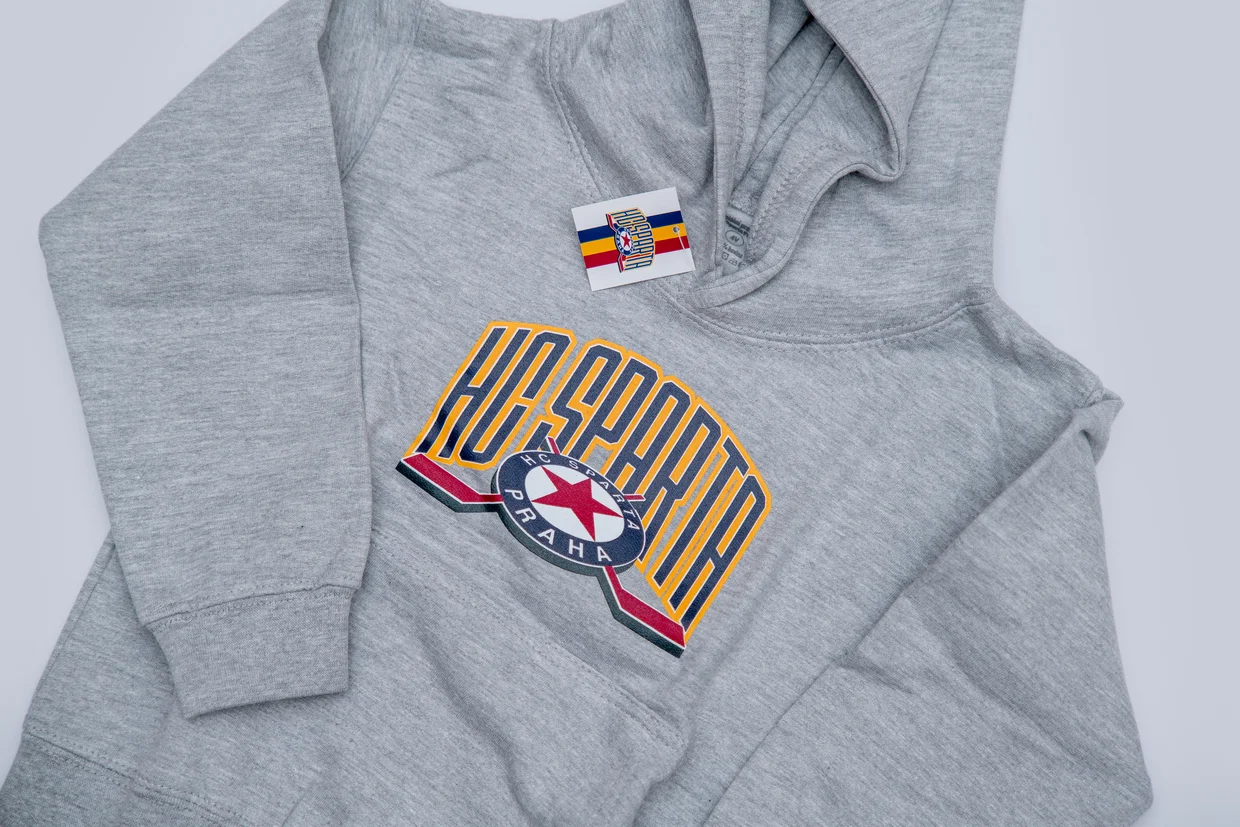
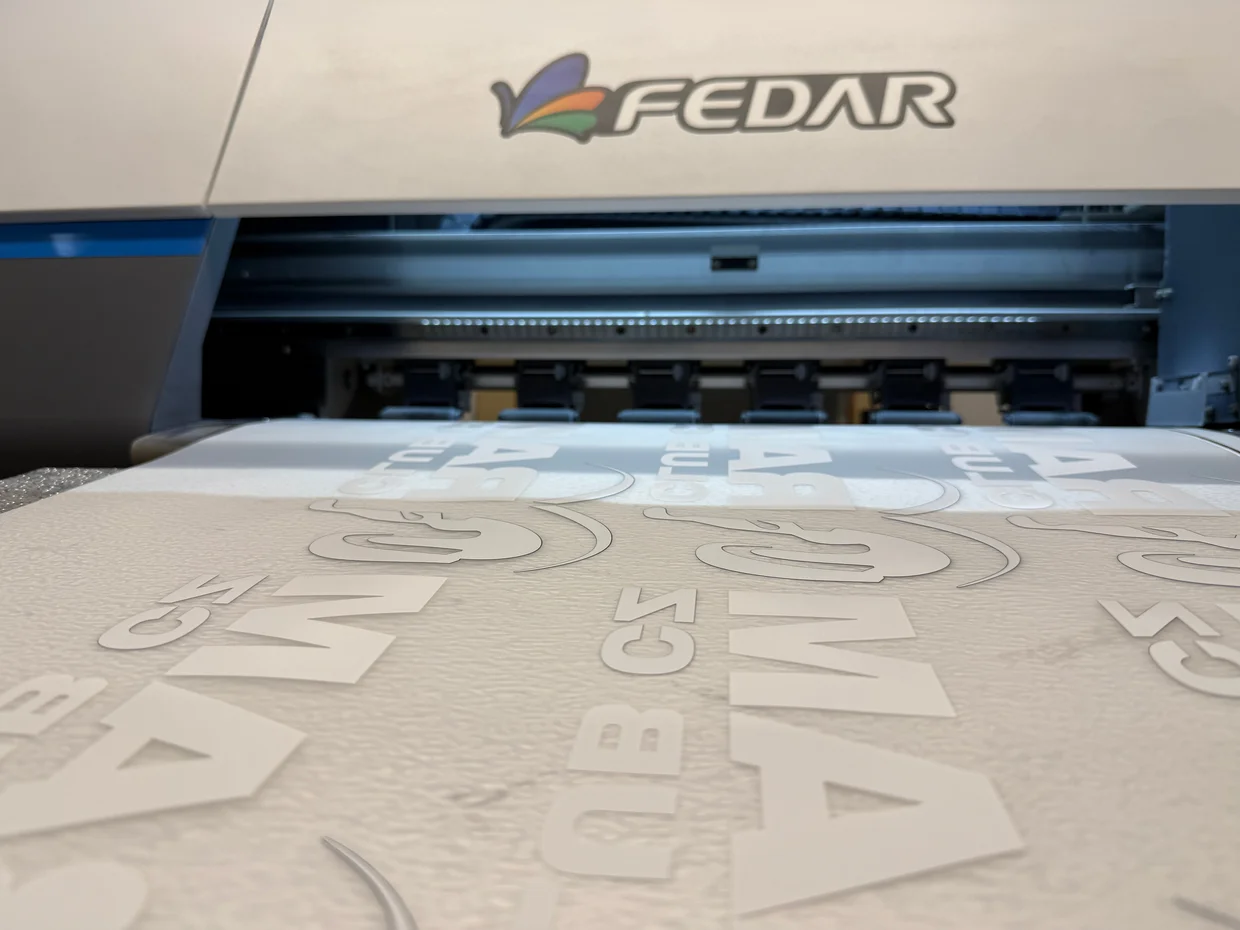
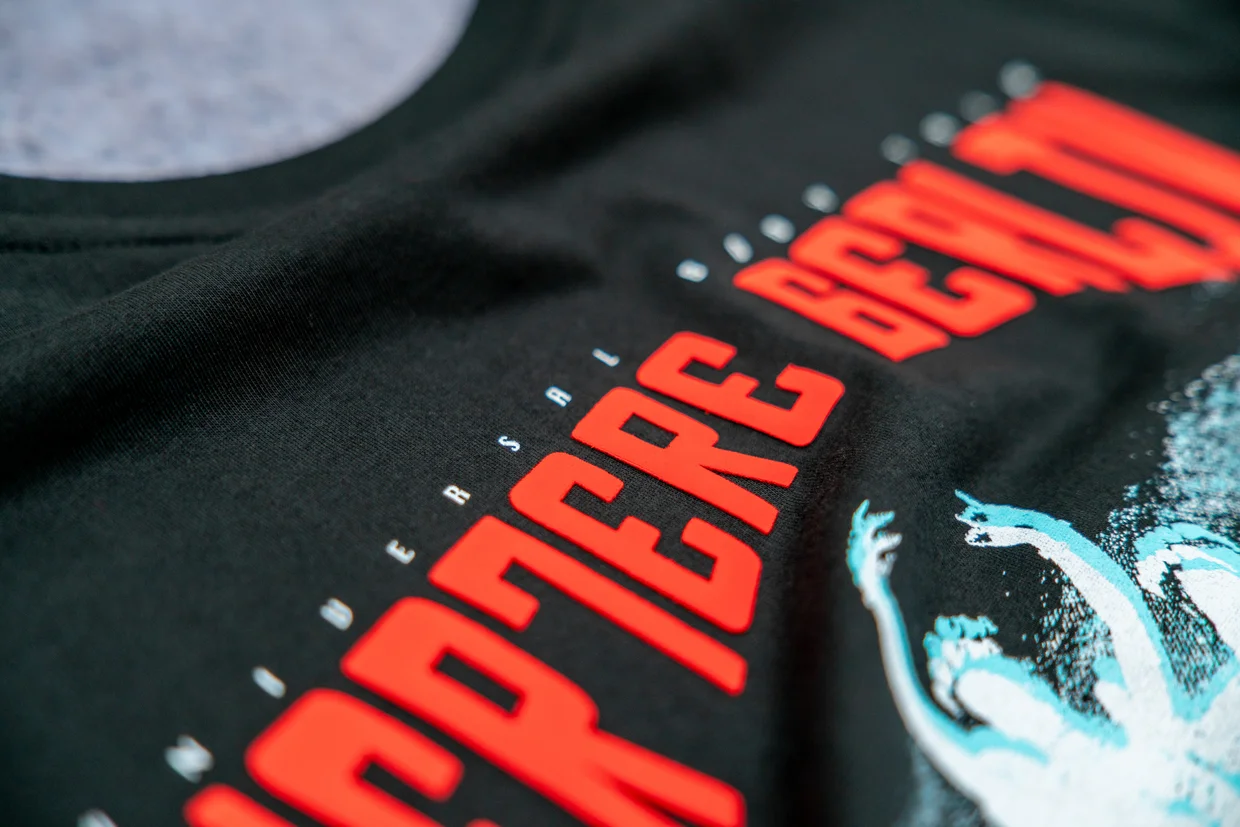
The principle of direct digital printing is, at its core, simple. The design is printed directly onto fabric — most commonly T-shirts, hoodies, or tank tops — using special inks. Similar to printing a photograph on paper. No screens, no complicated preparation, and no lengthy planning.
That does not mean, however, that the process requires no expertise. High-quality DTG printing demands:
One of DTG’s greatest advantages is that every piece can be different. A name, a number, a slight modification of a design, or a completely unique graphic. Personalization works here at a reasonable price, without compromises and without the color limitations commonly associated with screen printing.
Digital printing is not the answer to everything. But it is an answer to the times we live in. To the need to react quickly, create merchandising in smaller batches, and experiment freely with colors and design details.
This is why DTG printing is often used:
It is a technology that gives space to creativity and freedom, without the need to plan thousands of pieces in advance.
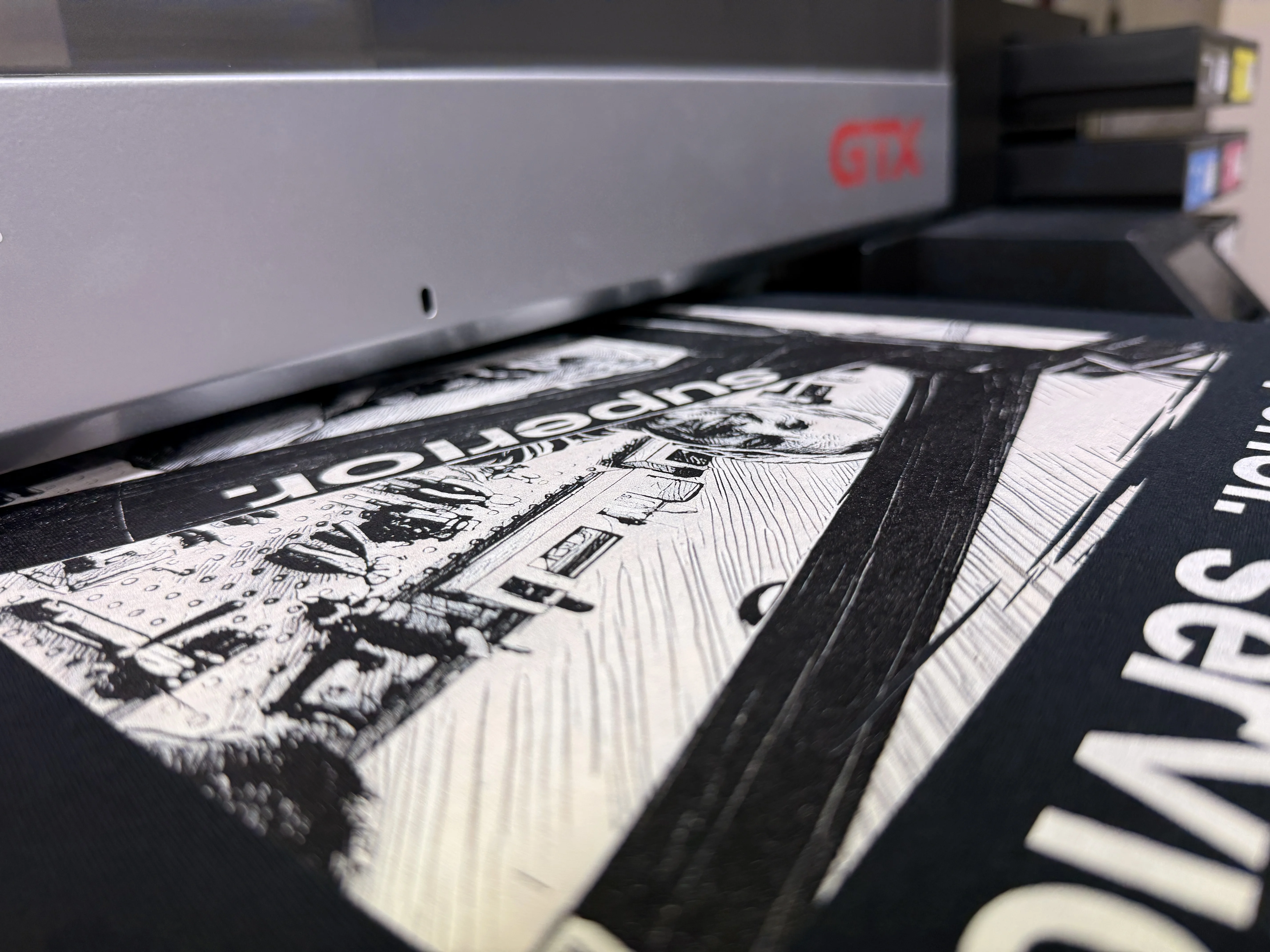
Direct digital printing is neither better nor worse than other technologies. It is simply different. It reflects the era we live in. However, it also has its limitations.
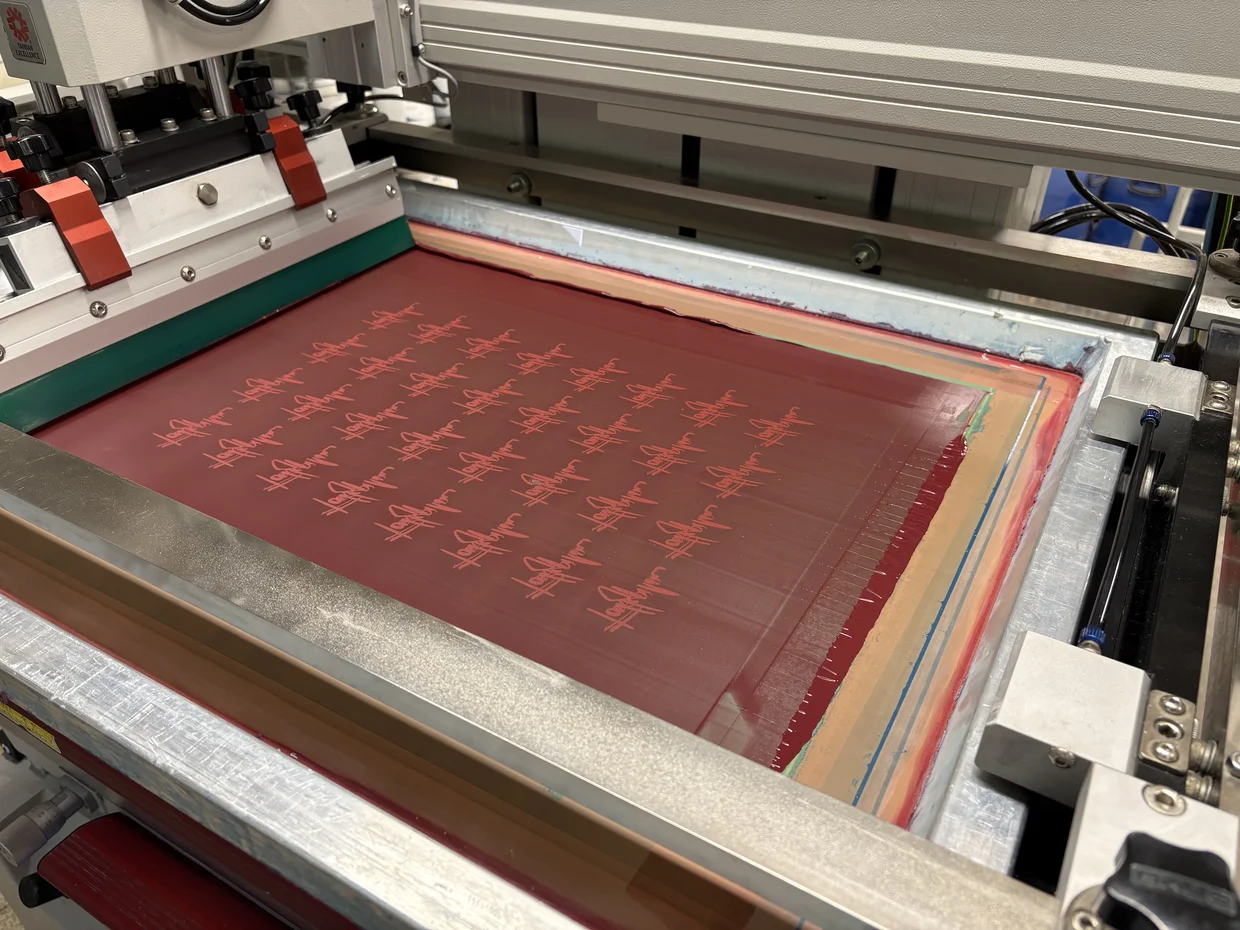
DTG is not ideal for mass production — meaning hundreds or thousands of pieces within a single order — nor for projects where precise Pantone color matching is essential. At the same time, it is not suitable for textiles intended for industrial washing or demanding operational conditions. Compared to screen printing, it is less durable.
It is also important to consider that digital printing can be significantly more expensive than screen printing. The reason is simple: it uses specialized inks that are more costly, and the machines themselves are more complex and require regular maintenance. In addition, printing a single piece takes longer, which increases the price per individual garment. That is why DTG is most cost-effective for smaller production runs.
The next time you put on a digitally printed T-shirt, you may realize that it was created almost as quickly as the idea that inspired it. And that is precisely where the strength of direct digital printing lies.