14. 8. 2026

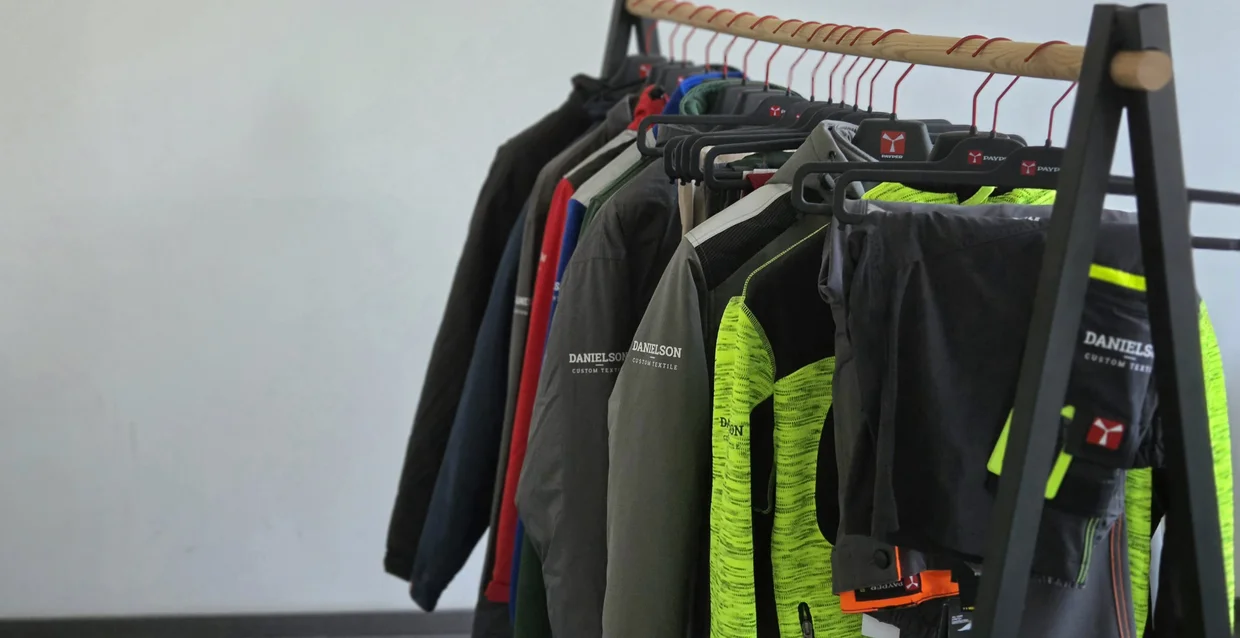
Not every product is ideal for direct screen printing. Some materials, shapes, or construction details simply do not allow printing directly onto textiles. Typical examples include winter jackets, workwear, backpacks, caps, or waist bags.
This is exactly where screen printing transfer comes into play. A technology based on classic screen printing, while at the same time expanding its possibilities. It makes it possible to apply high-quality and durable prints even where direct screen printing would not be technologically possible or practical.
The basis remains the same as with classic screen printing, including relatively complicated preparation work. The ink is pressed through a screen, which in practice means that each color of the design requires its own screen and the entire design is created gradually layer by layer.
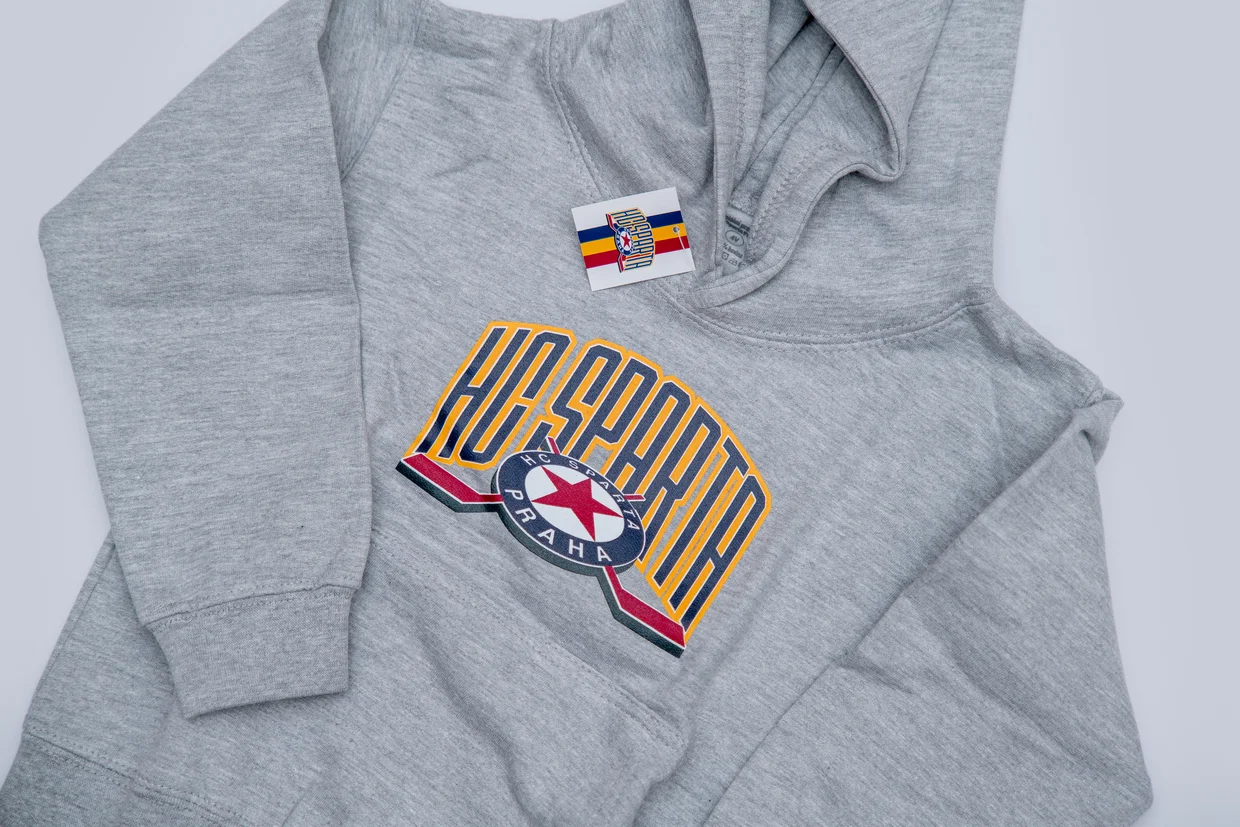
The main difference compared to direct screen printing is that the design is not printed directly onto the final product (T-shirt, hoodie), but first onto a special transfer medium (transfer paper or foil). The finished design is then applied to the specific product using heat and pressure with a professional press.
Thanks to this process, it is possible to print on products that cannot be mounted onto screen printing machines. These include for example:
• workwear (jackets, vests, overalls)
• backpacks
• caps
• waist bags
• and other products complicated by shape or material
This flexibility is exactly what makes screen printing transfer an important part of textile production, where printing is no longer limited to just T-shirts and hoodies.
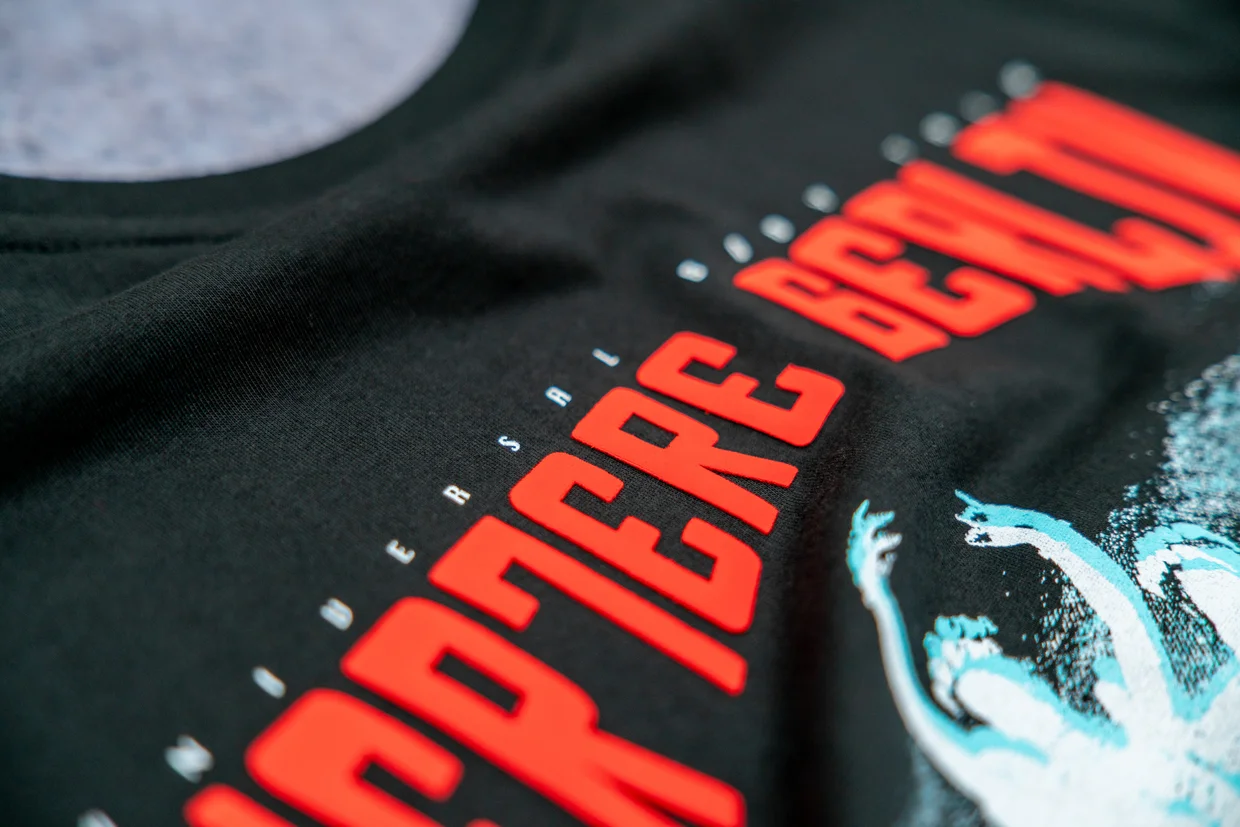
The final print retains the typical properties of classic screen printing. The colors are rich, opaque, and allow precise matching of Pantone shades, which is a significant advantage compared to DTF, for example.
At the same time, transfer printing offers very good mechanical resistance and, when applied correctly, withstands long-term use and repeated washing.
Screen printing transfer:
• can be applied to both light and dark textiles
• offers high color opacity
• is suitable for cotton and blended materials
• allows printing on non-standard products and difficult areas
Compared to direct screen printing, however, the transfer is slightly more noticeable to the touch. This is a natural consequence of the transfer layer remaining on the surface of the material.
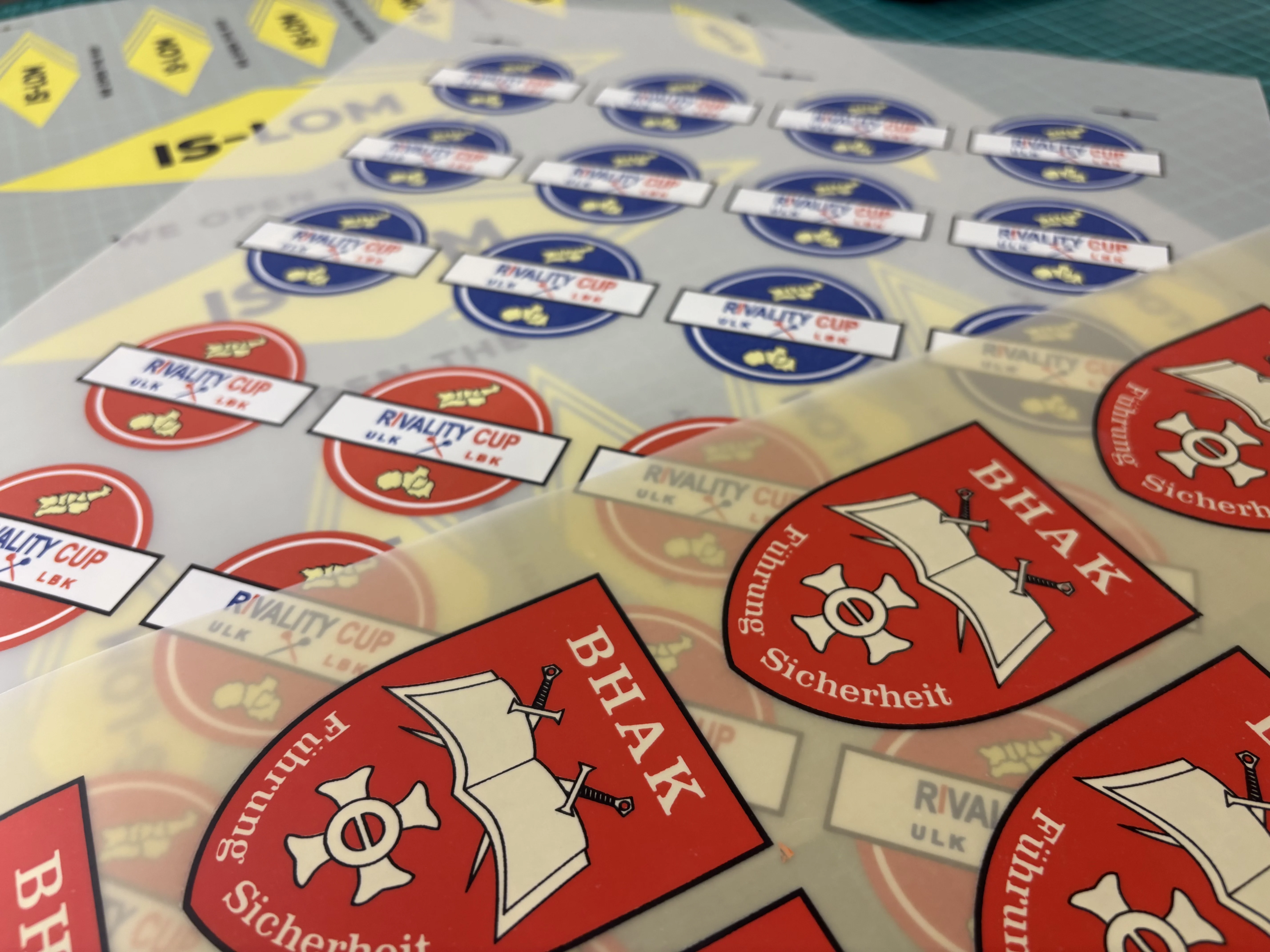
Screen printing transfer is not a replacement for direct screen printing, but its natural extension. It complements classic technology wherever direct printing reaches its limits and makes it possible to maintain the quality of screen printing even on products that would otherwise remain without print.
That is why this technology still has a firm place today, even though there are many digital alternatives available (e.g. DTF). Whenever durability, color accuracy, and a professional result are the priority, screen printing transfer remains a very strong solution.
Another major advantage is the possibility of producing transfers in advance. Finished designs can be stored and gradually applied according to current needs or textile stock levels. In practice, this means faster processing of repeat orders, greater production flexibility, and lower costs for larger volumes.