14. 8. 2026

We live in a time when everything moves fast. Clothing changes with every season, trends come and go, and things often don't last more than a few months. For years, the media has been talking about fast fashion fatigue, the return to quality craftsmanship, and why we're drawn to things that make sense beyond a single season.
Maybe that's why we're starting to look at something as ordinary as a t-shirt differently. Not as a disposable item, but as something that carries a message. And that's where a technology that's been with us since ancient China makes its return — screen printing.
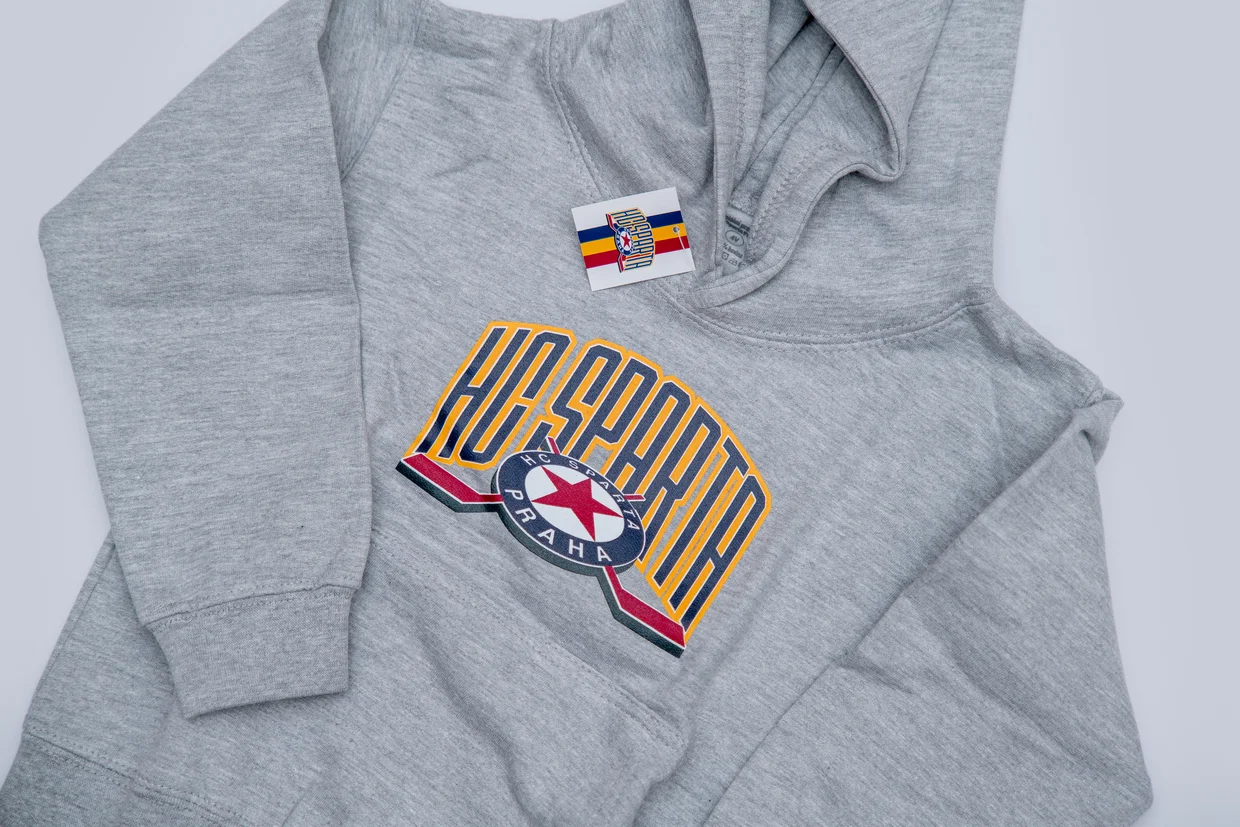
Clothing has always been a way of saying something about yourself. A band logo, a slogan, a symbol, or even just the color of the fabric. A printed t-shirt or hoodie is a small billboard you wear. And just like any message, what matters is how it's made.
The difference between a print that starts peeling or fading after a few washes and one that lasts for years isn't just about technology. It's about approach — and an entire production process that has come a long way since ancient China. Whether it was made quickly and carelessly, or slowly and with respect for the material.
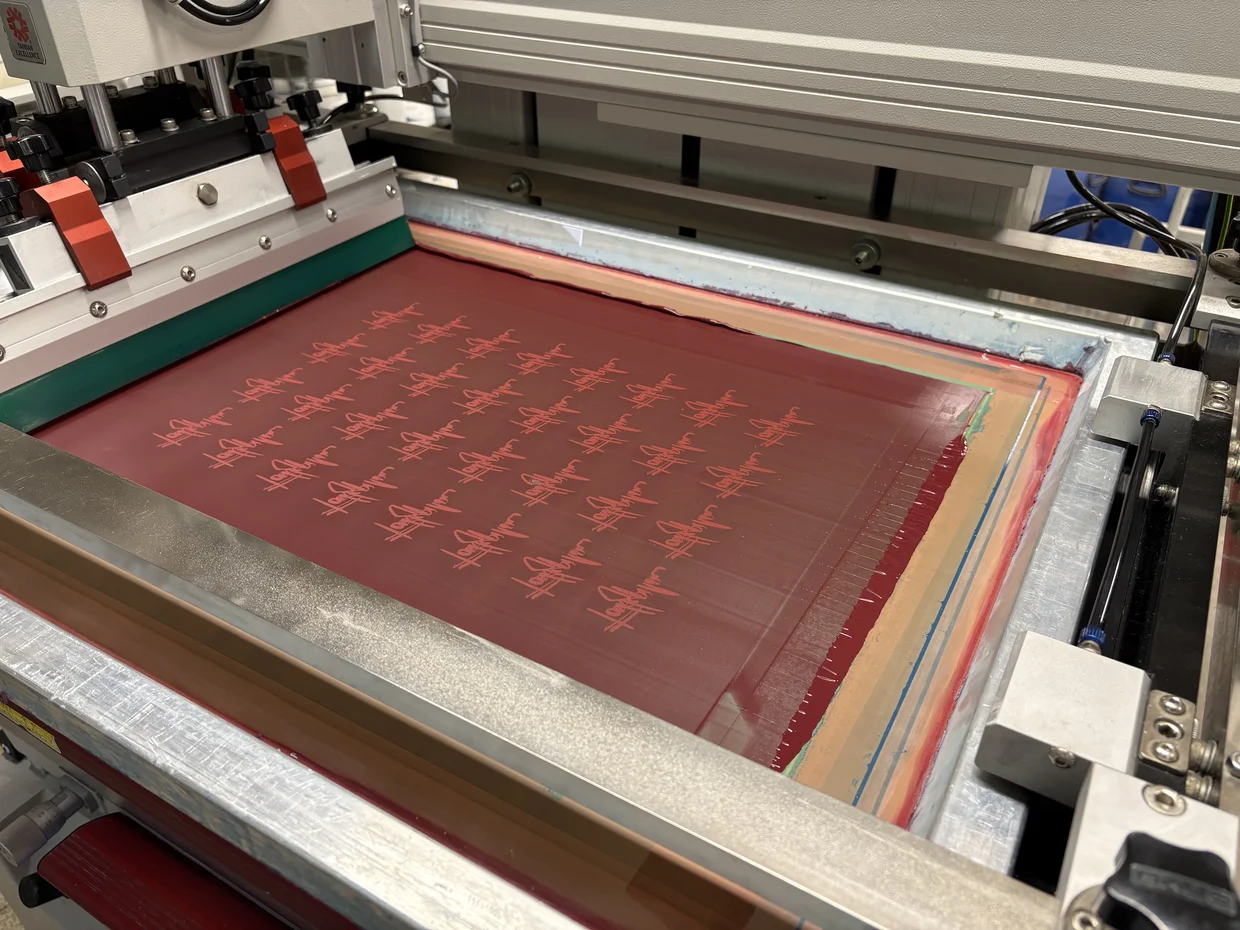
Screen printing is, at its core, a simple idea. Ink is pushed through a mesh onto fabric. No magic, no tricks. And yet it's a technology that has survived the digital revolution, inkjet printers, and instant on-demand personalization.
The reason is straightforward. Screen printing is built on repetition, precision, and human skill. It's not a process you can hide behind a single button. Each color is a separate step. Each design requires focus. Each mistake is visible and can't simply be undone.
And maybe that's exactly why it holds such a unique value in today's world.
When you put on a printed t-shirt, you usually don't see what came before it. You don't see the graphic designer sitting over the artwork, separating the design into individual colors — one color, one screen. You don't see the person preparing the screens, applying the emulsion, and carefully exposing them so the image transfers exactly as it should.
You also don't see the setup of the entire press and the test prints — which for the most complex designs (known as separation prints) or special effects like 3D, puff, or metallic finishes can take hours before the first piece is even printed. Or the process of washing the screens after each job, stripping away old layers, and getting them ready for the next run. And yet that cycle of constant renewal is proof that screen printing isn't a one-off process. It's one that gives even the most ordinary t-shirts, hoodies, bags, and backpacks a real life.
For those curious to see how it all works, there are videos today that walk through the entire process step by step — from an empty frame to a finished print. Suddenly it becomes clear that what you're holding in your hands isn't a coincidence. There's a lot of work behind it to make sure the print is durable — and therefore sustainable.
At a time when sustainability is talked about everywhere, screen printing has one quiet advantage. Things that last don't need to be replaced as often. A t-shirt whose print holds up for years has a chance to become a favorite — not just another piece of waste.
Maybe that's why screen printing shows up so often for bands, brands, sports clubs, workwear, and organizations that want their prints to carry lasting value and represent them well.
And there's something else worth mentioning: a properly set-up screen printing press can produce thousands of pieces a day while consistently hitting exactly defined color shades — the so-called Pantone colors. No digital technology can match that.
Screen printing isn't a step back into the past. It's a reminder that not everything needs to be fast to be good — or perfect. It shows that a technology refined over centuries can age like fine wine and still bring people joy in 2026.
Next time you pick up a printed t-shirt, you might just remember that behind it isn't only a machine — but an entire story.