
21. 9. 2026

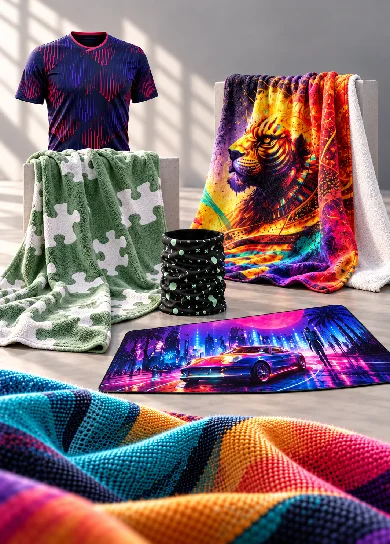
A colourful beach towel featuring a photograph, a sports jersey with an all-over design, or a mouse pad with eye-catching graphics. At first glance, these may seem like completely different products. However, they can all have one thing in common: sublimation printing.
Its main advantage is that the ink does not simply remain on the surface of the material. During sublimation, it penetrates directly into the fibres, becoming an integral part of the product itself. As a result, the print cannot be felt to the touch and is virtually permanent.
What Is Sublimation?
Sublimation is a digital printing technology in which a design is transferred directly into the structure of a material using high temperature and pressure. Rather than remaining on the surface, the ink becomes part of the material itself.
First, the design is printed onto transfer paper using special sublimation inks. When subsequently heated in professional heat presses, the dye turns into a gas and penetrates the fibres of the material, where it becomes permanently embedded after cooling. As a result, sublimation printing does not create an additional layer on the surface, cannot be felt to the touch, and preserves the original properties of the product.
Another major advantage of sublimation is its virtually unlimited colour range. Sublimation printers can reproduce detailed graphics, photographs, smooth colour gradients, and all-over designs, regardless of the number of colours used.
This makes sublimation suitable for a wide range of applications, not only in sportswear but also in the production of towels, beach towels, mouse pads, and various promotional or custom-designed products.
From Sports Jerseys to Mouse Pads
Sublimation is most commonly associated with sports jerseys. And for good reason. The printing process does not affect the breathability or elasticity of the material and allows for complex, all-over designs. However, the possibilities of this technology extend far beyond sportswear.
At Danielson, we also use sublimation to produce towels, beach towels, and multifunctional neck scarfs. Designs can cover virtually the entire surface and feature photographs, graphics, logos, and striking colour gradients.
Another typical application is mouse pads, where sublimation makes it possible to create highly detailed and vibrant designs.
The Material Matters
However, sublimation printing on textiles comes with certain requirements. The dye bonds primarily with polyester fibres, making this technology particularly suitable for polyester and other materials specifically designed for sublimation.
The colour of the base material also plays an important role. Sublimation printing does not use white ink, which is why the best results are achieved on white or very light-coloured materials.
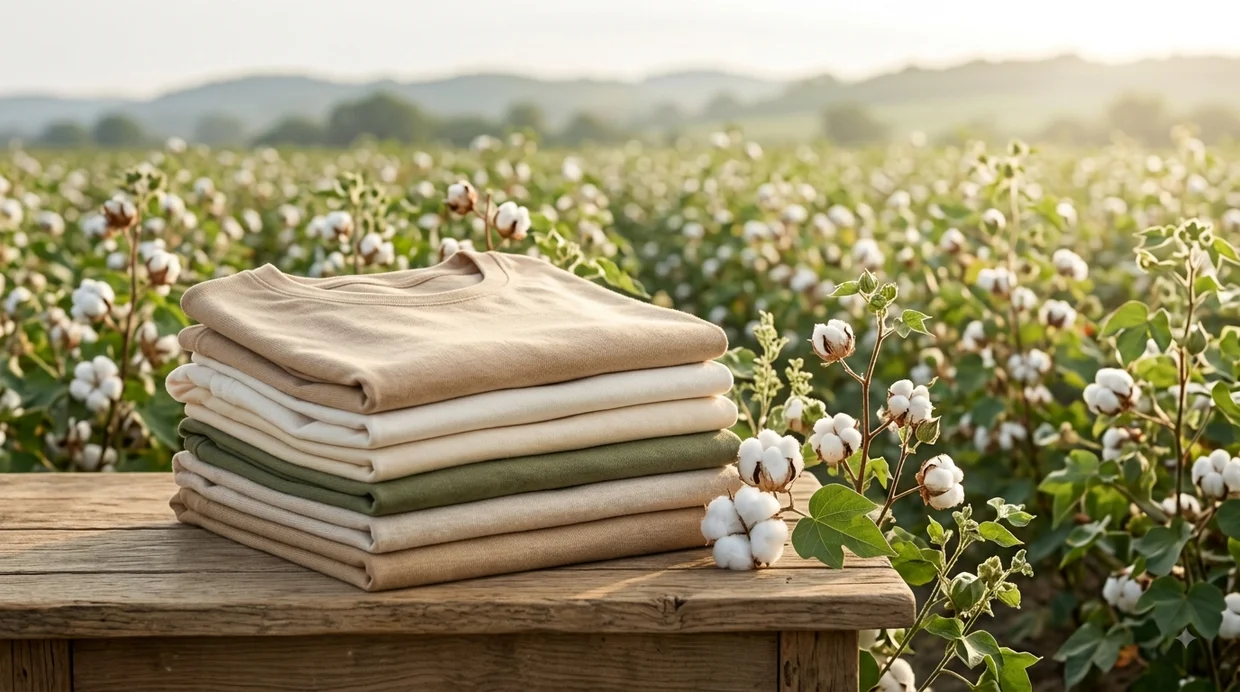
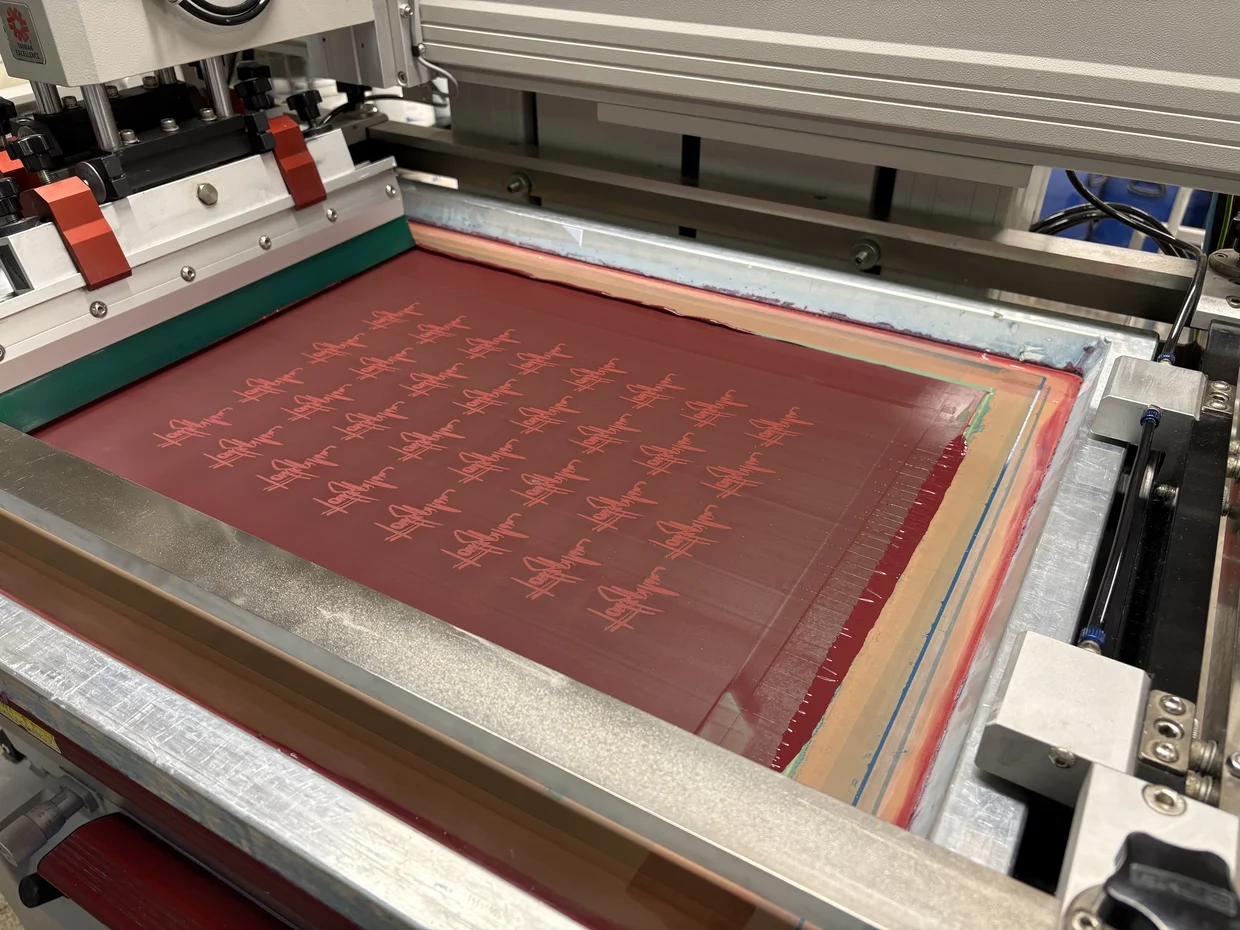
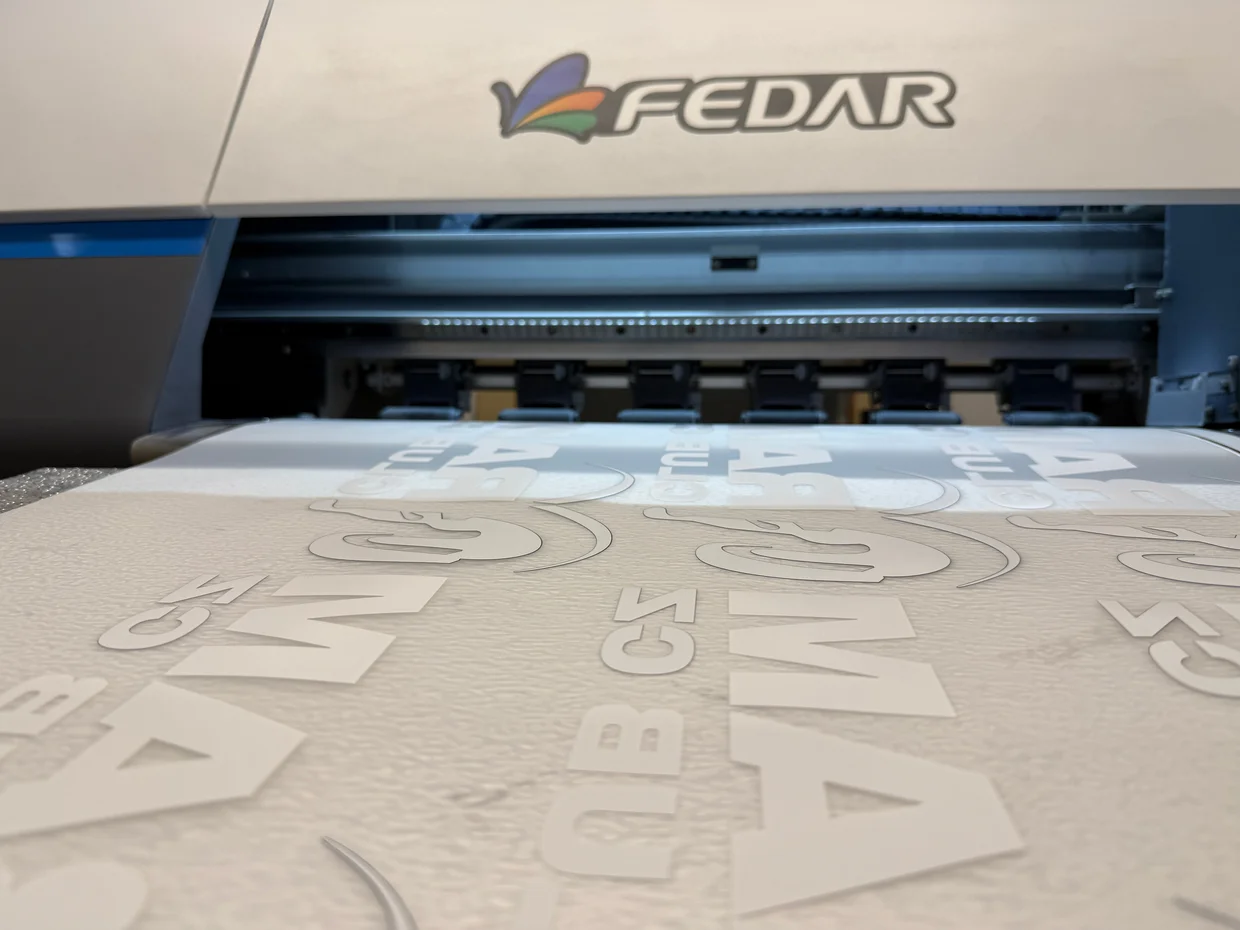
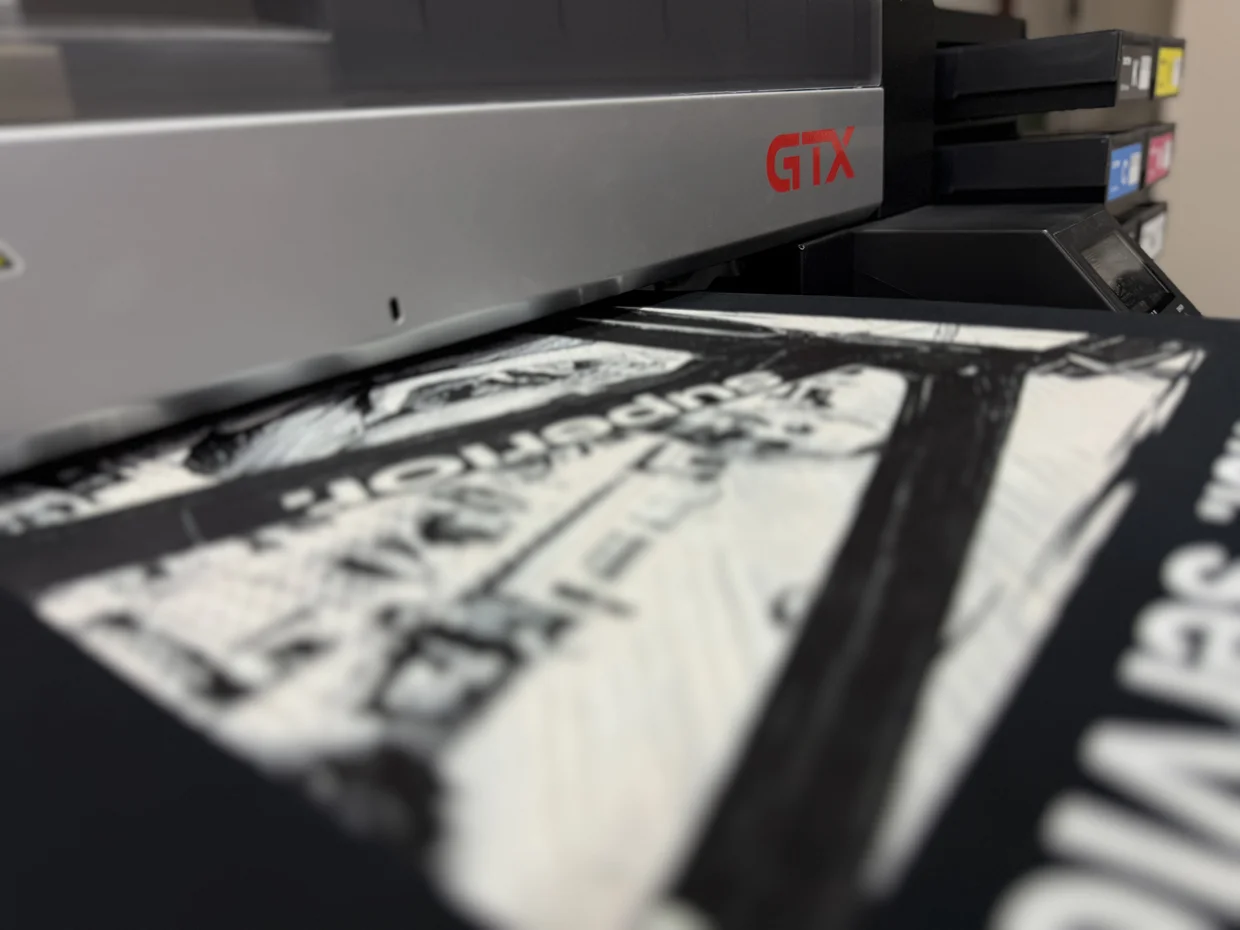
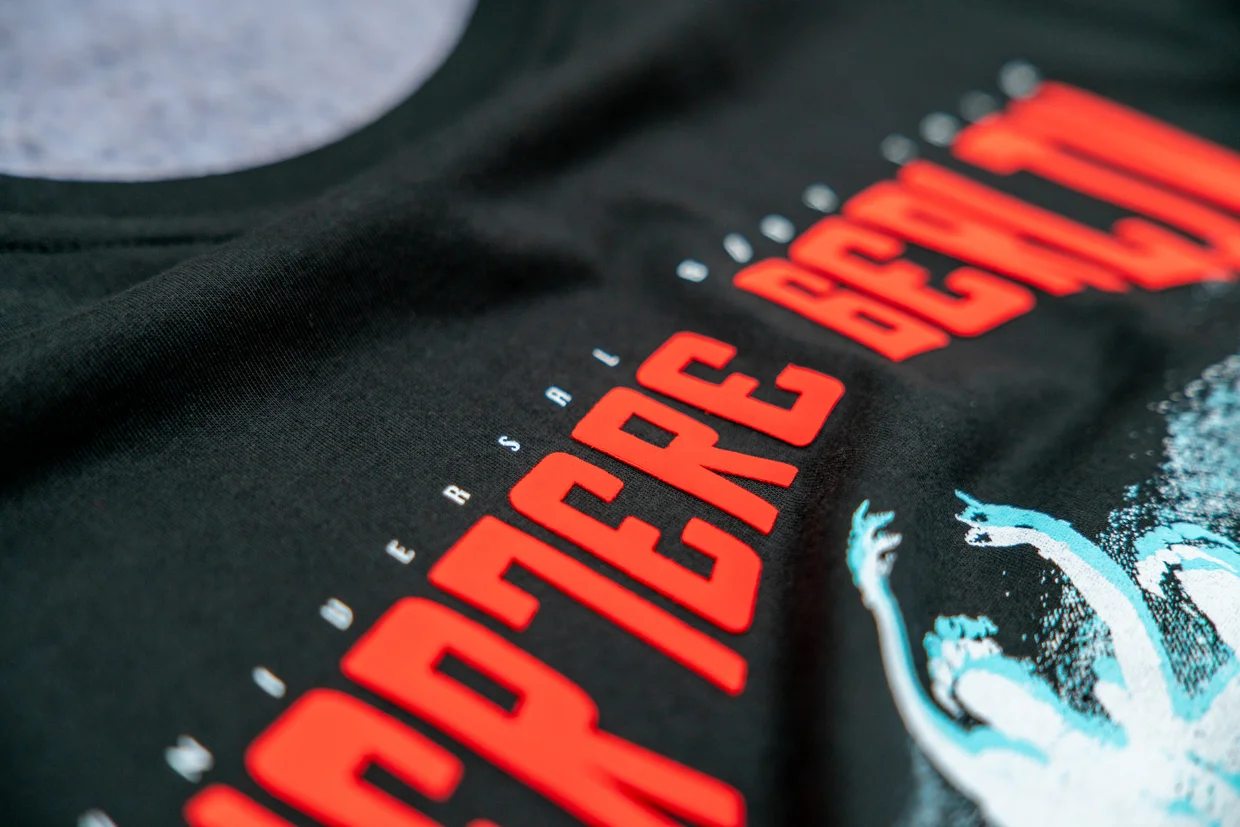
Sublimation is not the right choice for cotton, such as classic cotton T-shirts. In these cases, other printing methods, including screen printing, DTG, DTF, or various transfer printing technologies, are more suitable.
A Print That Becomes Part of the Product
Every printing technology has its ideal applications. The greatest strength of sublimation lies in its combination of vibrant colours, fine details, and the fact that it does not create an additional layer on the product's surface.
Whether it is a sports jersey, a custom-designed beach towel, or a mouse pad, the principle remains the same.
The design is not simply printed onto the product. It becomes part of it.